Foreign company registration in Bangladesh is now easier than ever. The South Asian market is undergoing a significant transformation, becoming a top choice for global entrepreneurs. If you’re looking to expand, you’ll find that 100% ownership is fully permitted in most industrial sectors. This change makes starting a new venture more accessible than ever.
While navigating the legal landscape may seem complex, the government has made it easier. By partnering with the Bangladesh Investment Development Authority, your business can establish a strong legal foundation.

Key Takeaways
- Foreign company registration in Bangladesh allows 100% ownership for global investors.
- The local government actively encourages international capital through simplified policies. Agencies like BIDA provide the necessary framework to support your setup.
- Compliance is essential for long-term success in this emerging market.
- Most sectors are open to full equity, offering you complete control over your assets.
Understanding the Landscape for 100% Foreign Investment
Unlocking significant growth requires understanding the rules on foreign equity in Bangladesh. The country welcomes international businesses to set up a 100% foreign owned company. Knowing these foundational elements positions your venture for growth in the region’s rapid economic expansion.
Legal Framework for Foreign Equity
The legal system in Bangladesh encourages international participation through the Foreign Private Investment (Promotion and Protection) Act. This act protects your capital and offers a clear path for a 100% foreign owned company to operate legally. The government promotes policies that ensure foreign investors are treated with the same transparency as locals.
Regulatory bodies follow a structured approach to ensure equity participation complies with national standards. Adhering to these guidelines secures your right to operate and protects your assets in the local market. This framework is crucial for your long-term stability.
Benefits of Establishing a Wholly Owned Subsidiary
Choosing a 100% foreign owned company gives you complete operational control over your business.
Unlike joint ventures, a wholly owned subsidiary lets you implement your global strategy without needing local partner approval. This autonomy is key for maintaining brand consistency and protecting intellectual property.
Moreover, you benefit from full profit repatriation, a critical factor for international investors. The table below compares strategic differences between various investment models in the country:
| Feature | Wholly Owned Subsidiary | Joint Venture |
| Control | Full (100%) | Shared |
| Decision Making | Independent | Collaborative |
| Profit Sharing | 100% to Parent | Proportional |
| Risk Exposure | High (Individual) | Shared |
Setting up a 100% foreign owned company simplifies governance and reporting. It streamlines management processes, ensuring Bangladeshi operations align with international goals. This structure is preferred by investors who value efficiency and total oversight. This guide covers everything you need to know about foreign company registration Bangladesh, from legal requirements to post-registration compliance.

The Role of the Registrar of Joint Stock Companies and Firms
The Registrar of Joint Stock Companies and Firms (RJSC) is the primary entry point for foreign businesses in Bangladesh. It oversees the entire lifecycle of corporate entities, from incorporation to dissolution. This role is crucial for any investor looking to establish a presence in the country.
Understanding the RJSC is essential for maintaining legal standing. Your business operations must align with the protocols set by this governing body. This ensures compliance and avoids legal issues.
RJSC Authority and Jurisdiction
The RJSC has the exclusive legal mandate to manage foreign company registration in Bangladesh. It oversees all private, public, and foreign-owned companies. This ensures they operate within the Companies Act framework.
Centralizing these functions keeps corporate data transparent and accessible. Registering your business here is necessary for legal recognition. It allows you to conduct commercial activities, open bank accounts, and hire local staff.
| Function | Description | Impact on Investors |
| Incorporation | Processing registration applications | Grants legal entity status |
| Record Keeping | Maintaining corporate databases | Ensures public transparency |
| Regulatory Oversight | Monitoring statutory filings | Enforces legal compliance |
Compliance Requirements for Foreign Entities
Staying compliant is crucial for maintaining your business’s legitimacy. After registration, you must file regular returns and update the RJSC on any changes. This includes updates to your shareholding structure or board of directors.
Ignoring these requirements can result in penalties or the suspension of your license. Keeping your records up to date and submitting documents on time is essential. This avoids legal complications.
By focusing on these administrative tasks, you safeguard your investment and ensure stability. Collaborating with the RJSC helps you navigate the local business environment confidently. This ensures operational legitimacy.
Securing Your Company Name Clearance Certificate
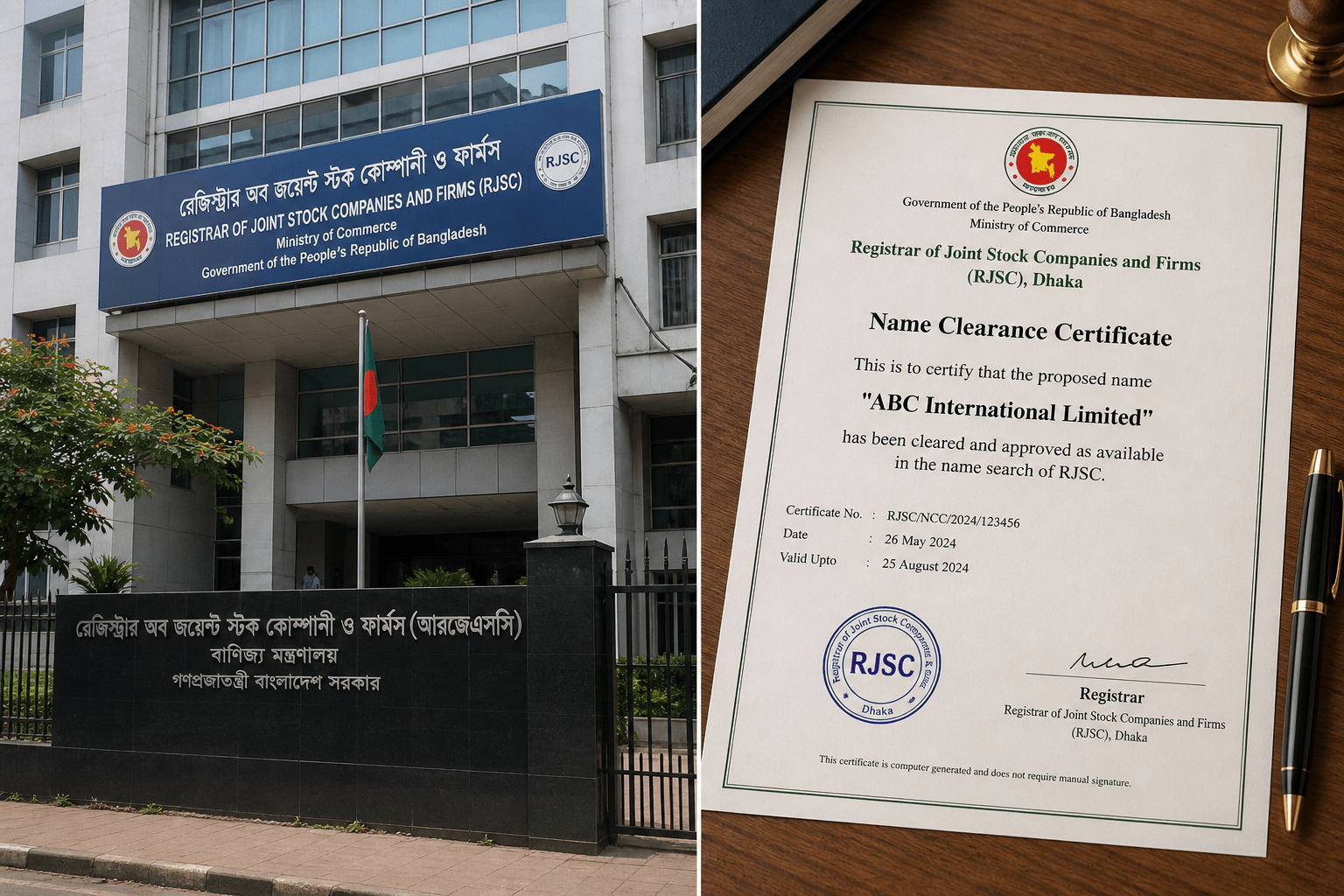
Starting your foreign company in Bangladesh requires a crucial first step: obtaining a company name clearance certificate. This document confirms your business name is approved by the Registrar of Joint Stock Companies and Firms (RJSC). It ensures your name is unique and follows local laws.
Getting this certificate is essential for any foreign investor. Without it, you can’t move forward with incorporation or opening a bank account.
Criteria for Selecting a Compliant Name
Choosing a name must be unique and not conflict with existing trademarks or companies. The RJSC forbids names too similar to those already registered.
To increase approval chances, steer clear of generic terms that might confuse customers. Choosing a unique and professional name is vital for your brand and legal status in Bangladesh.
| Criteria | Requirement | Impact |
| Uniqueness | Must not match existing firms | Prevents legal disputes |
| Clarity | Avoids misleading terms | Builds consumer trust |
| Compliance | Follows RJSC naming guidelines | Ensures faster approval |
Navigating the RJSC Online Portal
The RJSC has made applying for a company name clearance easier through its online platform. First, you need to create an account on the official portal to start your application.
After logging in, you’ll fill out the application form with your preferred names. The system checks availability in real-time, helping avoid delays in the review process.
After submitting your application and paying the fees, the RJSC will review it. If your name is approved, you’ll get your certificate electronically. This allows you to proceed with your foreign company registration Bangladesh.
Drafting the Memorandum and Articles of Association
After securing your name clearance, the next step is drafting your company’s foundational documents. These are the Memorandum of Association (MoA) and the Articles of Association (AoA). They serve as the legal constitution of your business in Bangladesh. These documents outline how your entity will operate and interact with stakeholders.
Defining the Scope of Business Activities
The Memorandum of Association is the primary document that outlines your business activities. It clearly states the objectives of the company and the nature of the trade or services you plan to offer. It’s crucial to ensure these objectives are broad enough to cover your current operations but specific enough to meet regulatory requirements.
When drafting this section, attention to detail is paramount to avoid legal issues. By clearly defining your business scope, you establish the limits within which your company can operate. This clarity is vital for maintaining compliance with the Registrar of Joint Stock Companies and Firms.
Structuring Internal Governance and Shareholding
The Articles of Association focus on the internal management and governance of your organization. It outlines the rules for board meetings, the appointment of directors, and the distribution of shares among investors. It dictates how your company will be governed on a day-to-day basis.
Defining the shareholding structure with precision is essential to protect the interests of all stakeholders. This includes specifying the rights attached to different classes of shares and the procedures for transferring
ownership. A well-structured set of articles ensures that your internal operations remain transparent and efficient.
| Document Type | Primary Purpose | Key Content |
| Memorandum of Association | External relations | Company objectives and capital |
| Articles of Association | Internal management | Governance and voting rights |
| Statutory Compliance | Legal validity | Regulatory requirements |
Investing time in drafting these documents lays a solid foundation for your company’s success. These
documents are not mere formalities; they are strategic tools that protect your investment and define your corporate identity. Proper preparation at this stage will significantly streamline your path toward full incorporation.
Opening a Probationary Bank Account in Bangladesh
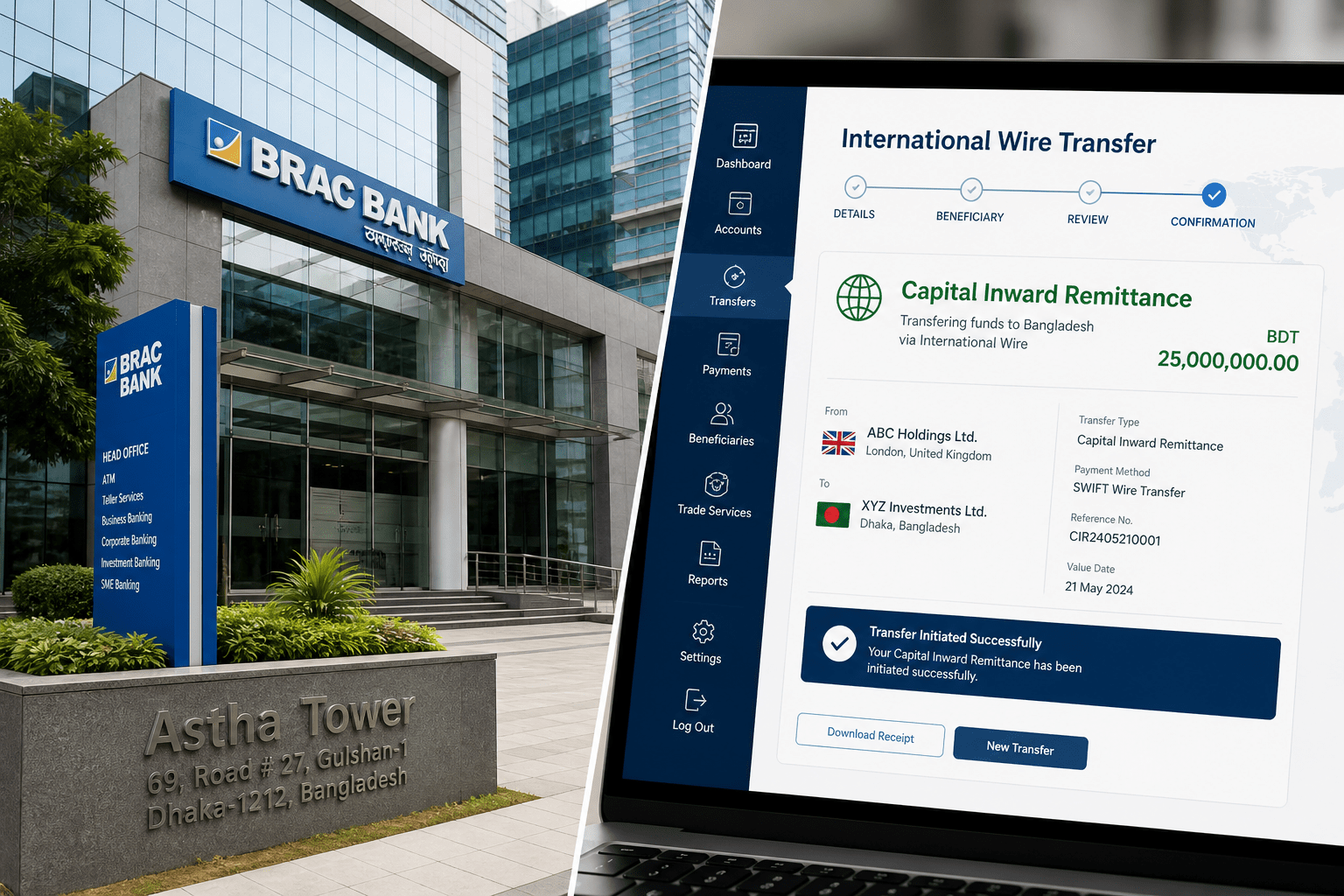
Opening a probationary bank account is crucial for your foreign business operations. It serves as a temporary space for your initial capital before your company gets its final certificate of incorporation. This step ensures your financial setup is ready to support your business activities immediately after registration.
Documentation Required for Foreign Investors
To start, you need to visit a reputable commercial bank in Bangladesh. You’ll have to provide several key documents to meet local banking regulations. The Name Clearance Certificate proves your business name is reserved with the authorities.
You also need to submit the signed Memorandum of Association and the Articles of Association. These documents detail your company’s structure and operational scope. Lastly, a formal board resolution authorizing the account and designating signatories is required for foreign entities.
The Process of Capital Inward Remittance
After bank approval, you can move on to capital inward remittance. This involves transferring your initial investment funds from your home country to the probationary account. It’s crucial to mark the remittance as foreign equity investment to meet central bank standards.
Upon fund arrival, the bank will issue a certificate confirming receipt. This document is vital for future compliance filings and shows your commitment to the local market. Keeping accurate records of these transactions will ease your transition to a fully operational corporate account later.
| Requirement | Purpose | Status |
| Name Clearance Certificate | Verify Business Identity | Mandatory |
| MOA & AOA | Define Governance | Mandatory |
| Board Resolution | Authorize Signatories | Mandatory |
| Capital Transfer | Initial Investment | Required |
Distinguishing Between Branch and Liaison Offices
Understanding the differences between a branch office and a liaison office is crucial for your business success in Bangladesh. When expanding, the right structure is key to engaging with the local market. Both models allow a 100% foreign-owned company to have a physical presence. Yet, they serve distinct strategic roles.
Operational Differences and Limitations
A branch office serves as an extension of your parent company. It can conduct commercial activities and generate revenue in Bangladesh. This setup is best for full-scale business operations, like selling goods or offering services for profit.
On the other hand, a liaison office is limited to promotional and communication roles. It cannot engage in commercial transactions or earn income locally. Its main role is to facilitate communication between your foreign headquarters and potential local clients or partners.
Regulatory Oversight by BIDA
The BIDA (Bangladesh Investment Development Authority) closely monitors both entities. You must get formal approval from BIDA before starting operations, regardless of your structure. They ensure your activities align with your approved business plan.
BIDA checks your compliance through regular reports and audits. For a 100% foreign-owned company, maintaining transparency with BIDA is vital. Non-compliance can result in the loss of your operational license.
| Feature | Branch Office | Liaison Office |
| Revenue Generation | Permitted | Prohibited |
| Commercial Activity | Full scope allowed | Limited to promotion |
| Primary Regulator | BIDA | BIDA |
| Legal Status | Extension of Parent | Extension of Parent |
Navigating BIDA Approval for Foreign Operations
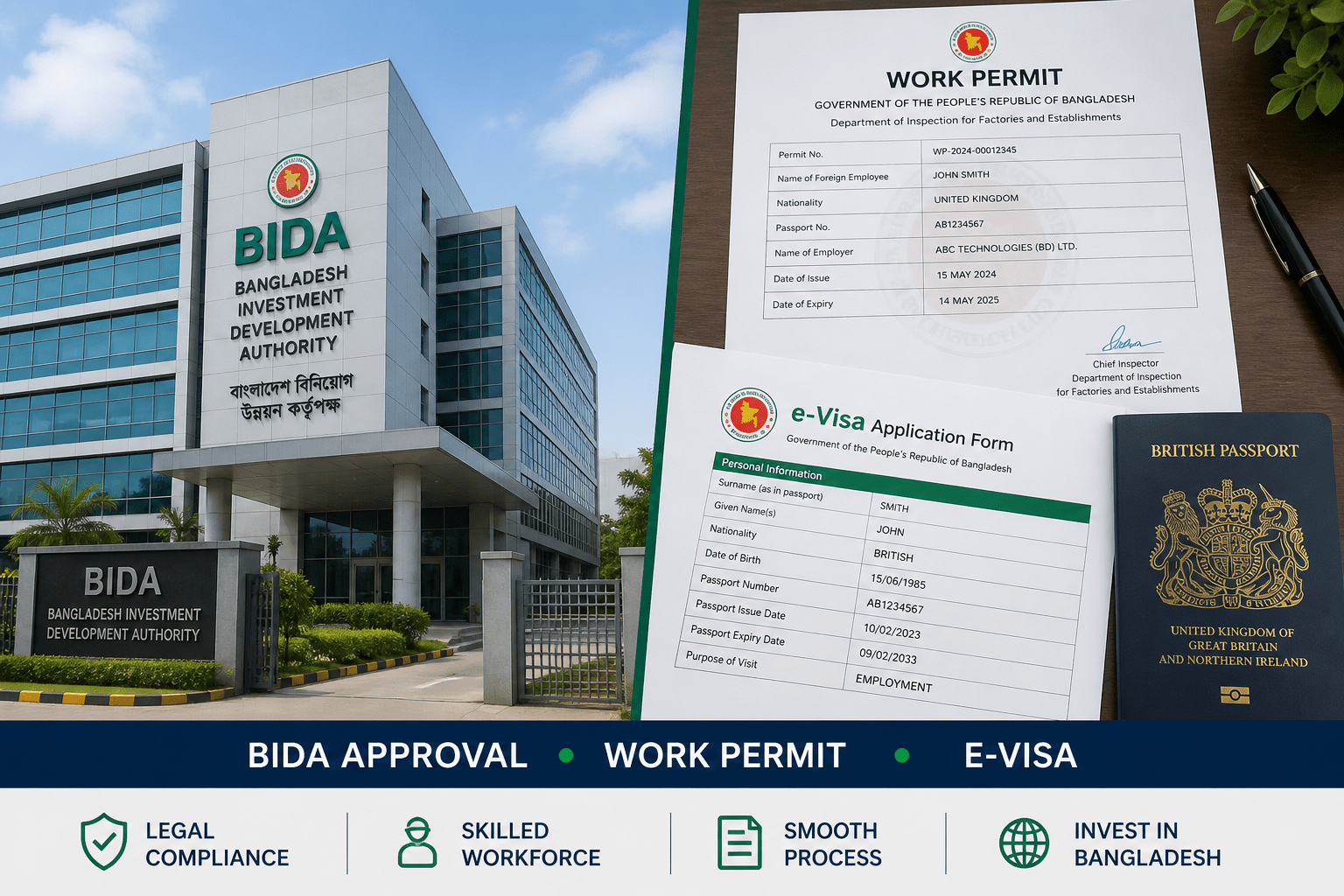
Getting approval from the Bangladesh Investment Development Authority (BIDA) is key for expanding your business. As a foreign investor, you must follow local laws to keep your business legal. The bida approve liaison office and branch office process is crucial for setting up in the country.
Application Procedures for BIDA Permits
To start, you need to apply online through the BIDA portal. You’ll have to give detailed info about your parent company, like its board resolution and financial statements. BIDA checks these to make sure your investment is genuine.
After applying, BIDA does a deep dive into your business. Make sure your work fits within allowed foreign activities in Bangladesh. If approved, you get a letter that lets you open bank accounts and get trade licenses.
For official information, visit the RJSC official website or the BIDA official portal.Reporting Obligations for Liaison and Branch Offices
To keep your office in good standing, you must follow strict reporting rules. You’ll need to send regular updates to BIDA about your work and money coming in. These reports help keep your office on track with its approved goals.
Not following these rules can result in fines or losing your permit. It’s crucial to accurately record all money coming in and going out. By filing on time, you avoid legal problems.
| Feature | Liaison Office | Branch Office |
| Primary Purpose | Communication & Liaison | Commercial Operations |
| Revenue Generation | Not Permitted | Permitted |
| BIDA Reporting | Annual/Quarterly | Annual/Quarterly |
| Local Taxation | Limited | Full Corporate Tax |
Foreign Company Registration in Bangladesh: A Step-by-Step Guide
Setting up your business in Bangladesh requires a detailed approach to submitting documents and paying fees. The process of foreign company registration in Bangladesh demands precision and strict adherence to the
Registrar of Joint Stock Companies and Firms (RJSC) guidelines. By following these steps, your entity will gain legal recognition to operate in the local market.
Submission of Incorporation Documents
To kick off the final phase, you must upload your finalized Memorandum and Articles of Association through the RJSC online portal. It’s crucial to ensure all information aligns with your approved name clearance and business scope. Understanding how to register limited company in Bangladesh helps avoid delays or rejection by the registrar.
After uploading the digital copies, the system will assign a filing reference. Verify that all director details and shareholding structures are accurately reflected in the electronic forms. Maintaining consistent data across all filings is crucial for a successful application.
Payment of Registration Fees and Stamp Duty
Following document review, the next step is to settle the mandatory government fees, knowing how to register a foreign company registration in Bangladesh means understanding that these payments are processed through designated bank branches or authorized digital payment gateways in Bangladesh. Keep the original payment receipts as proof of compliance during the final verification stage.
The total cost includes the registration fee, based on your authorized capital, and the applicable stamp duty. Timely payment is essential to avoid penalties or the expiration of your application window. Refer to the table below for a summary of the core components involved in this process.
| Process Step | Primary Requirement | Key Objective |
| Document Filing | Digital Submission | Legal Verification |
| Fee Settlement | Bank/Online Payment | Regulatory Compliance |
| Stamp Duty | Government Treasury | Document Validation |
After confirming payments, the RJSC will process your application and issue the Certificate of Incorporation. This document proves your company’s legal registration. You are then ready to proceed with post-registration compliance and operational setup.
Managing Post-Registration Compliance and RJSC Returns
After your business is registered, the real challenge starts. You must keep your corporate records up to date to avoid penalties. This ensures your company remains in good standing with the Registrar of Joint Stock Companies and Firms (RJSC). Neglecting these duties can result in fines or even the removal of your entity.
Annual Filing Requirements
In Bangladesh, every registered company must hold an Annual General Meeting (AGM) within the legal timeframe. After the AGM, you need to file certain documents, like the audited balance sheet and profit and loss account. Timely filing is crucial to show your company is active and transparent financially.
The rjsc return submission process involves uploading these documents through the official online portal.
Ensure all financial statements adhere to local accounting standards. Keeping your records organized throughout the year will make this process much easier.
Handling Schedule X Submissions
Another key duty is the company schedule x submission. This document notifies any changes in your company, such as updates to share capital or directorship. Precision is essential when preparing this form to keep your corporate profile current.
Submit these updates quickly when a reportable change happens. Keeping your member and director registers up to date helps avoid legal issues during audits. Use the following table to track your primary compliance obligations:
| Compliance Task | Frequency | Key Objective |
| Annual General Meeting | Once per year | Shareholder approval |
| Financial Returns | Annually | Transparency |
| Schedule X Filing | As needed | Record accuracy |
By being proactive with these filings, you safeguard your investment and build trust with regulatory bodies.
Consistent compliance is the cornerstone of your long-term success in the Bangladeshi market.
Taxation and Fiscal Responsibilities for Foreign Companies
Managing your fiscal obligations is crucial for any foreign business entering the Bangladeshi market. You must align your internal accounting practices with local regulations. This ensures your operations remain sustainable and transparent. Failure to adhere to these standards can lead to significant legal hurdles and financial penalties.
Obtaining a Tax Identification Number
The first step in your fiscal journey is securing a Tax Identification Number (TIN). This unique identifier is mandatory for all business-related financial transactions.
This includes opening bank accounts and importing goods. You must apply for this through the National Board of Revenue (NBR) portal to establish your legal tax status.
Once you receive your TIN, you gain the ability to file returns and interact with the tax authorities officially. It serves as the foundation for your company’s financial identity within the country. Ensure that all documentation provided during the application matches your incorporation papers to avoid processing delays.
Value Added Tax and Corporate Tax Compliance
Beyond the initial registration, you must maintain strict adherence to Value Added Tax (VAT) and corporate tax laws. Foreign companies are generally subject to specific tax rates based on their industry and business structure. You are responsible for collecting VAT on taxable supplies and remitting these funds to the government on a monthly basis.
Corporate tax compliance requires you to submit annual returns detailing your income, expenses, and profits. Maintaining accurate financial records is essential for audits and ensuring you benefit from any applicable tax incentives. The following table outlines the primary fiscal components you will encounter:
| Tax Category | Primary Purpose | Frequency |
| Corporate Income Tax | Tax on annual net profits | Annually |
| Value Added Tax | Consumption tax on goods/services | Monthly |
| Withholding Tax | Tax deducted at source | Monthly |
Staying proactive with your filings helps you maintain a good standing with the NBR. We recommend consulting with a local tax advisor to navigate the nuances of the Bangladeshi tax code effectively. By prioritizing these responsibilities, you protect your investment and foster a stable environment for your business growth.
Employment Regulations and Work Permits for Expatriates
Understanding the intricacies of expatriate employment is crucial for foreign investors in Bangladesh. It’s essential to align your hiring practices with national immigration policies to avoid legal issues. Having the right documentation is key to building a stable and productive international team.
Securing E-Visas and Work Permits
To attract foreign talent, securing the correct E-Visa is the first step. This involves applying through the Bangladesh Investment Development Authority (BIDA). After BIDA’s recommendation, you can apply for the visa through the Department of Immigration and Passports.
Once your employees enter the country, they must obtain valid work permits to stay legally employed. It’s your responsibility to ensure these permits are renewed before they expire. Keeping a clean record with the authorities is vital for your business’s long-term success.
Local Labor Law Considerations
Integrating the Bangladesh Labour Act into your human resources policies is also crucial. This law sets
standards for working hours, leave, and termination. Following these rules helps avoid legal issues and promotes a positive work environment.

Your employment contracts must reflect the terms of service as per local laws. Consulting with legal experts is wise to keep your policies up-to-date with labor standards. Offering a fair and transparent work environment is key to retaining top international talent.
| Requirement Type | Primary Authority | Key Focus Area | Compliance Priority |
| E-Visa | Immigration Department | Entry Authorization | High |
| Work Permit | BIDA | Operational Legality | Critical |
| Labor Contract | Ministry of Labour | Employee Rights | High |
| Annual Returns | RJSC/BIDA | Reporting Accuracy | Medium |
Joint Venture Opportunities and Partnership Firm Registration
Forming a partnership in Bangladesh can be a key to lasting success. By merging your global expertise with local market knowledge, you can reduce risks and speed up growth. This partnership strategy helps you understand cultural differences while keeping a solid operational base.
Structuring Joint Ventures Company Registration in Bangladesh
When you register a joint venture company registration in Bangladesh, the agreement’s legal framework is crucial. It’s vital to outline roles, responsibilities, and equity shares among partners. A detailed shareholders’ agreement protects your investment and operational interests
It’s also important to include dispute resolution and exit strategies in your foundational documents. This forward-thinking approach helps your business stay strong against market changes. By focusing on transparency, you build trust with your local partners.
Registration Procedures for Partnership Firms
Choosing a partnership means following the joint stock partnership firm registration process. You’ll need to file documents with the Registrar of Joint Stock Companies and Firms (RJSC). A partnership deed outlining the business’s nature and each partner’s investment is required.
The table below compares joint ventures and partnership firms to help you choose the right model for your goals:
| Feature | Joint Venture | Partnership Firm |
| Legal Status | Separate Entity | Contractual Agreement |
| Liability | Limited | Unlimited |
| Governance | Board of Directors | Partner Consensus |
After preparing your documents, you must pay registration fees and stamp duties. Properly completing your partnership firm registration in Bangladesh ensures your business meets local laws. Make sure your business name is unique and follows RJSC guidelines to avoid registration delays.
Managing Company Winding Up and Exit Strategies
Exiting the Bangladeshi market demands strategic planning akin to your initial entry. Whether you’re shifting your business model or consolidating globally, a clear closure plan is essential. Familiarity with the company winding up rjsc process ensures compliance with local laws until your exit.
Legal Procedures for Voluntary Liquidation
Voluntary liquidation is the typical route for solvent companies ending operations. Begin by convening a board meeting to pass a winding-up resolution. Next, file a declaration of solvency, affirming the company’s ability to settle debts within a set timeframe.
After the resolution, appoint a liquidator to manage asset distribution and liability settlement. This professional will handle the final accounts and ensure creditor satisfaction. Proper documentation is crucial to avoid legal or tax issues in Bangladesh.
RJSC Requirements for Striking Off a Company
For companies that are defunct or never started, striking off the register is an option. The Registrar of Joint Stock Companies and Firms (RJSC) offers this for entities without purpose. Submit an application stating the company has no assets or liabilities.
The RJSC will check your status and publish a notice in the official gazette. If no objections are raised, the company’s name is removed from the register. This company winding up rjsc process avoids the need for annual returns for inactive companies.
| Feature | Voluntary Liquidation | Striking Off |
| Primary Condition | Solvent company closing | Defunct or inactive company |
| Key Requirement | Appointment of liquidator | Application to Registrar |
| Complexity | High (Formal process) | Low (Administrative) |
| Final Outcome | Asset distribution | Removal from register |
Common Challenges and How to Overcome Them
Foreign company registration in Bangladesh requires anticipating and solving regulatory hurdles. Managing a foreign-owned entity in Bangladesh requires anticipating and solving regulatory hurdles. The
market’s potential is vast, but the administrative landscape can be daunting for newcomers. A proactive approach helps you overcome these obstacles and safeguard your business.
Addressing Regulatory Bottlenecks
Delays in processing applications with government agencies like the Registrar of Joint Stock Companies and Firms (RJSC) are a major challenge. To mitigate these risks, maintain open communication with relevant
officials. Engaging a local legal expert who knows the Bangladeshi bureaucracy well is often the most effective way to speed up your paperwork.
Interpreting evolving investment policies can also be tricky. Ensure your business activities align with your approved BIDA permit. If your operations change, seek formal amendments promptly to avoid penalties or compliance issues.
Best Practices for Maintaining Good Standing
To keep your company in good standing, adopt a disciplined approach to corporate governance. Prioritize the timely submission of annual returns and financial statements to the RJSC. Failing to meet these deadlines can result in heavy fines and legal complications that may limit your growth or profit repatriation.
Accurate and transparent records are crucial for tax audits and regulatory inspections. A robust internal
compliance system helps track all fiscal responsibilities, including VAT and corporate tax filings. Adhering consistently to these standards ensures your operations remain stable and reputable in the local market.
| Challenge Type | Potential Impact | Strategic Solution |
| Documentation Delays | Operational downtime | Hire local legal counsel |
| Policy Misalignment | Regulatory penalties | Regular BIDA audits |
| Filing Omissions | Loss of good standing | Automated compliance tracking |
| Tax Discrepancies | Financial audits | Professional tax advisory |
Strategic Considerations for Long-Term Success in the Bangladeshi Market
To establish a lasting business presence in Bangladesh, a mix of regulatory adherence and proactive market engagement is crucial. Transparency in operations is key, aligning with the Bangladesh Investment Development Authority and the Registrar of Joint Stock Companies and Firms’ standards.
Commitment to local compliance is the cornerstone of sustainable growth. Accurate records and fiscal
obligations protect your company from legal issues. This stability enables scaling operations and exploring new opportunities in the local economy.
Building strong ties with local partners and regulatory bodies is essential. Each filing and permit is an opportunity to showcase your commitment to the regional business environment. Consistent adherence to these standards will make your brand stand out as reliable in the market.

Regularly review your internal governance structures to stay competitive in the foreign company registration Bangladesh landscape. A proactive management approach will boost long-term profitability and solidify your reputation as a trusted investor. Whether you need foreign company registration Bangladesh services or post-registration compliance support, our team is here to assist you every step of the way.
Explore our company registration services or contact us for a free consultation.
Our Business Consultancy Services
We specialize in foreign company registration Bangladesh, helping international investors start their investments in Bangladesh. Our dedication assures you to set up your company at every step of the law.
Our job is to assist you with Company Registration/Formation, Partnership Firm Registration, guiding you through the entire legal process via the Registrar of Joint Stock Companies and Firms (RJSC). We also provide legal support for foreign investors to establish Foreign Company Registration (100% foreign investment), Branch Office Registration, Liaison Office Registration, Joint Venture Company Registration, Company Winding Up, and others.
Our services also include obtaining the Company Incorporation Certificate, handling Company Share
Transfer and Share Allotment, and preparing and submitting RJSC Annual Returns on behalf of clients to help them avoid any kind of penalties. In addition, we provide Income Tax Consultancy and VAT (Value Added Tax) services, including tax planning, tax calculation, and filing for both companies and individuals.
We have a number of foreign investors who are establishing their businesses in Bangladesh, especially from North America, Australia, Europe, Latin America, and Asia, who have chosen Bangladesh as a promising destination for ease of doing business. Among them, Chinese, Indian, and Japanese investors form the majority.
Our team provides all BIDA-related services, including Visa on Arrival Recommendations, E-1 Visa Recommendations, and P-I Visa Recommendations for foreign investors and employees. Our services also include Work Permit applications (new), amendments, and cancellations, ensuring compliance with the Bangladesh Investment Development Authority (BIDA) regulations. Moreover, we handle BIDA Registration and obtain Industrial IRC Approval to facilitate manufacturing operations and get Branch Office or Liaison Office permissions for abroad-registered companies. Our clients highly appreciate our reliable and efficient legal services.For expert assistance with foreign company registration in Bangladesh, contact us today. Our team is ready to help you navigate every step of the process smoothly and efficiently.
FAQ
Can a foreign investor own 100% of a business in Bangladesh?
Yes, foreign company registration in Bangladesh allows 100% foreign-owned company. The legal framework supports this, allowing full foreign investment and equity. This gives you complete control over your operations and strategic direction.
What is the first step in the process of how to register foreign company in Bangladesh?
First, you need to get a company name clearance certificate from the RJSC. Choose a unique name that meets local regulations. You can do this efficiently through the RJSC online portal.
Which authority is responsible for foreign company registration in Bangladesh?
The RJSC is the only authority for registration. Ensure all your documents and compliance meet RJSC standards to keep your legal status.
What documents are required to open a probationary bank account for my new company?
To start, open a probationary bank account. You’ll need your company name clearance, MoA, AoA, and a board resolution. Submit these to a commercial bank in Bangladesh.
What is the difference between a branch office and a liaison office under BIDA oversight?
A branch office can handle more commercial activities, but a liaison office is mainly for promotion and coordination. Both must get BIDA approval and are under strict BIDA oversight.
How can I ensure I am following the correct steps for how to register limited company in Bangladesh?
Start by securing name clearance. Then, draft your MoA and AoA. Remit your capital through a probationary account. Finally, submit your documents to the RJSC with the required fees and stamp duty.
What are my post-registration filing obligations regarding rjsc return submission?
You must meet annual filing requirements, including rjsc return submission. This ensures your records and management details are up to date with the Registrar.
Is it possible to register a joint venture or a partnership instead of a wholly owned subsidiary?
Yes, you can register a joint venture company in Bangladesh with local partners. Or, consider a joint stock partnership firm to share equity and responsibilities.
What is the procedure for company winding up rjsc if I decide to exit the market?
To exit, follow the legal steps for company winding up rjsc. This includes voluntary liquidation and meeting RJSC requirements for striking off the company.
How do I manage taxes and expatriate employment for my foreign company?
Obtain a TIN and comply with VAT and corporate tax laws. For foreign staff, get E-Visas and work permits. Ensure your policies align with local labor laws for a compliant workplace.
Leave a Reply